Fifteen signs on the stars the Sun crosses, each as wide as its own stars, worked out from the sky as it stands. Astrology from the first step, for anyone new to it.
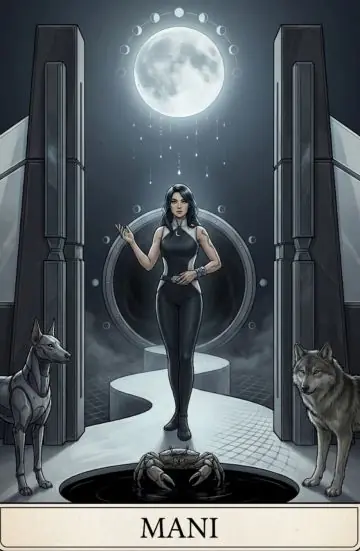
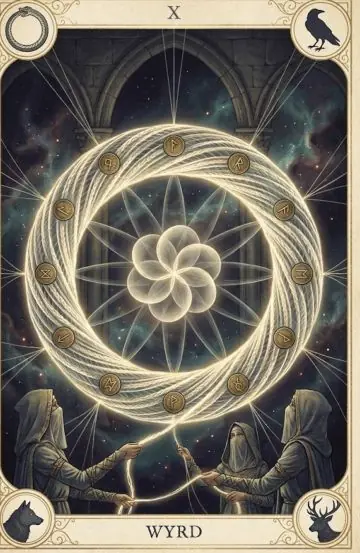
This minute: the Sun in … · the Moon in … · the Wyrd in …
the descent
Fifteen signs, each as wide as its stars.
How the fifteen are drawn: the Sun’s yearly path is cut where it crosses the constellation borders of the International Astronomical Union. The house adds Canis and Cetus, and widens Scorpio to take in Antares, its brightest star.
Each sign keeps the width its stars give it, so the Sun spends forty-four days in Virgo and nine in Scorpio.
Three of the fifteen are Aether, the fifth element: Canis, Ophiuchus and Cetus.
the fifteen, each as wide as its stars, from Aries round to Pisces
The Sun stands in ….
the Sun…
the Moon…
the Wyrd, the Moon’s node…
Worked out in this page from the standard tables of the sky, and held to the house’s own reckoning: the Sun and the Moon within a fiftieth of a degree, the Wyrd within a twentieth.
The sign the Sun stood in, on a birthday.
A birth date is enough for the Sun. The date stays in this page.
Fifteen seats in the body, one for each sign.
A chakra is a seat of the body’s energy, and the chakras are read as a ladder up the spine. The seven most people know, from the Root to the Crown, are set down in a sixteenth-century Sanskrit text, in English since 1919.
Wyrd’s ladder has fifteen rungs, from the Earth Star below the feet to the Source above the head, and each sign holds exactly one. The eight beyond the seven come from newer traditions; the ladder of fifteen is the house’s own.
This minute the Sun stands on the …, and the Moon on the ….
In a reading, each light of a birth chart stands on a rung. The app reads the whole ladder.
SourceAries
CosmicCanis
GalacticVirgo
Stellar GatewayLibra
Divine GatewayScorpio
Spirit StarOphiuchus
Soul StarPisces
CrownAquarius
Third EyeCetus
ThroatGemini
HeartCancer
Solar PlexusLeo
SacralSagittarius
RootCapricorn
Earth StarTaurus
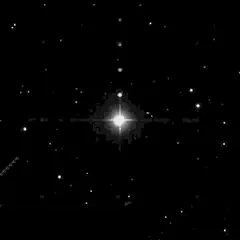
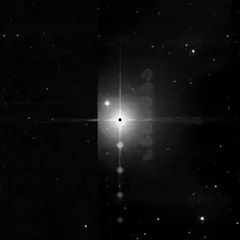
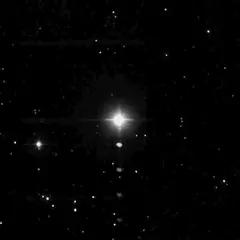
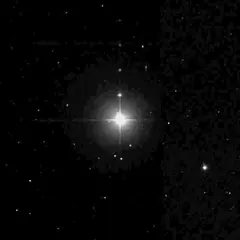
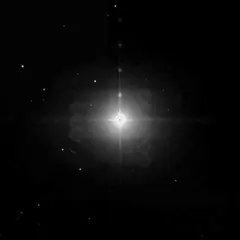
Thirty-five stars hold the band.
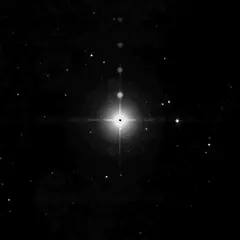
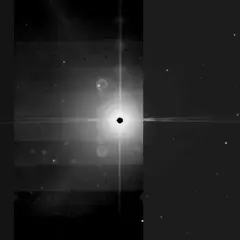
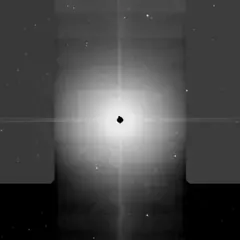
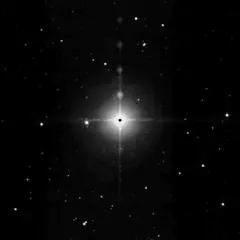
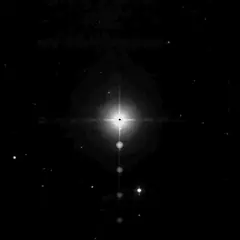
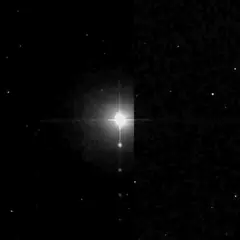
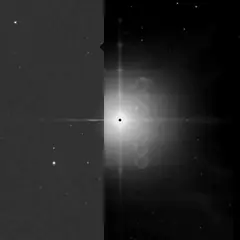
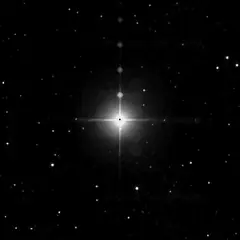
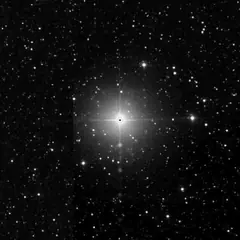
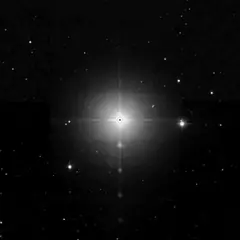
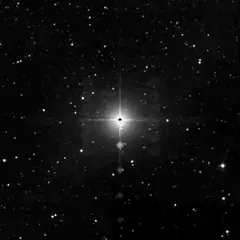
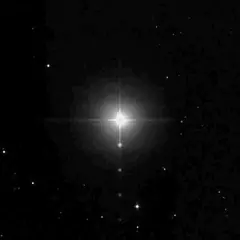
Each is a real star, its light measured and its distance known, and each has been photographed. The sky turns from star to star as the page moves.
Each star holds a seat, and each seat has its keeper. In the app they are met one at a time, as they are earned.
01 / 35 · Aries
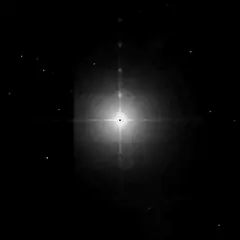
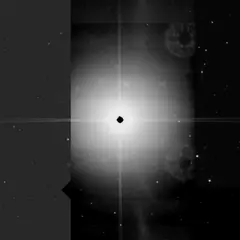
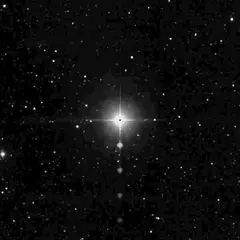
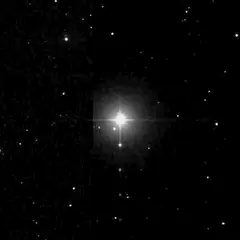
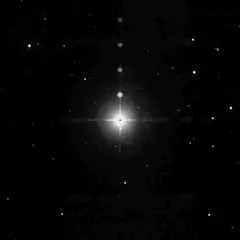
Sheratan
β Ari
distance
59.6 light years
surface
8,200 K
light
22 × the Sun
width
2.1 × the Sun
A white star of class A (A5 V) — a main-sequence star, what astronomers call a dwarf, still burning hydrogen in its core as the Sun does.
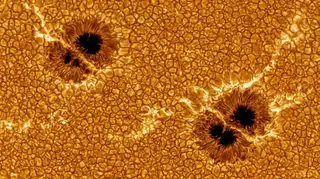
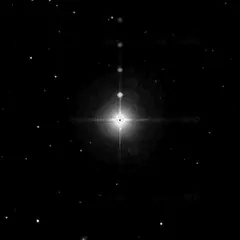
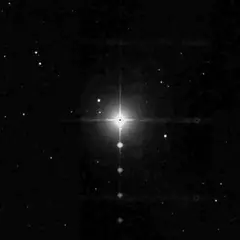
Sheratan, photographed. From the arabic aš-šaraṭān, “the two marks”.
02 / 35 · Aries
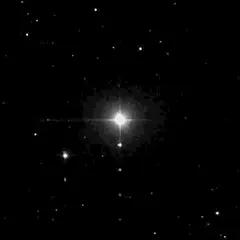
35 Arietis
35 Ari
distance
343 light years
surface
17,520 K
light
870 × the Sun
width
3 × the Sun
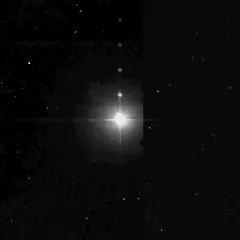
A blue-white star of class B (B3 V) — a main-sequence star, what astronomers call a dwarf, still burning hydrogen in its core as the Sun does.
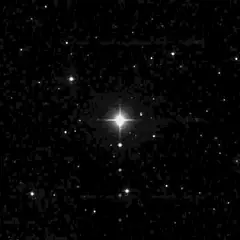
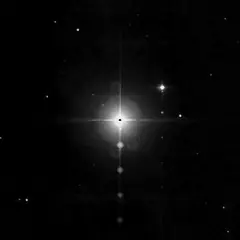
35 Arietis, photographed. A flamsteed number, not a name.
03 / 35 · Taurus
Ain
ε Tau
distance
155 light years
surface
4,880 K
light
79.4 × the Sun
width
12.5 × the Sun
A yellow-orange star of class K (K0 III) — a giant, past its middle years: its core is spent of hydrogen and its outer layers have swollen and cooled.
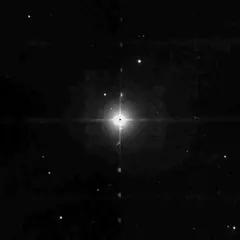
Ain, photographed. Arabic ʿayn, “the eye”.
04 / 35 · Taurus
Aldebaran
α Tau
distance
65.3 light years
surface
3,900 K
light
439 × the Sun
width
45.1 × the Sun
An orange star of class K (K5+ III) — a giant, past its middle years: its core is spent of hydrogen and its outer layers have swollen and cooled.
Aldebaran, photographed. Arabic al-dabarān, “the follower”.
05 / 35 · Gemini
Betelgeuse
α Ori
distance
700 light years
surface
3,650 K
light
85,000 × the Sun
width
764 × the Sun
An orange-red star of class M (M1–M2 Ia–Iab) — a supergiant, a heavy star late in its life and among the largest and most luminous stars there are.
Betelgeuse, photographed. From the arabic yad al-jawzāʾ.
06 / 35 · Gemini
Mebsuta
ε Gem
distance
840 light years
surface
4,591 K
light
6,980 × the Sun
width
130 × the Sun
A yellow-orange star of class G (G8 Ib) — a supergiant, a heavy star late in its life and among the largest and most luminous stars there are.
Mebsuta, photographed. Arabic mabsūṭah, “the outstretched paw”.
07 / 35 · Canis
Asellus Borealis
γ Cnc
distance
181 light years
surface
9,311 K
light
43 × the Sun
width
2.53 × the Sun
A white star of class A (A1 IV) — a subgiant, leaving the long hydrogen-burning middle of its life and beginning to swell.
Asellus Borealis, photographed. Latin, “the northern little donkey”.
08 / 35 · Canis
55 Cancri
55 Cnc
distance
41 light years
surface
5,172 K
light
0.62 × the Sun
width
0.98 × the Sun
An orange-gold star at the border of classes G and K, a dwarf just starting to age: it still burns hydrogen in its core, as the Sun does, and is a little smaller, cooler and older than the Sun.
55 Cancri, photographed. A catalogue count that became a byword.
09 / 35 · Cancer
Acubens
α Cnc
distance
174 light years
surface
7,943 K
light
49 × the Sun
width
3.65 × the Sun
A white star of class A with unusually strong lines of metals in its light — a “metallic-line” star.
Acubens, photographed. Arabic al-zubānah, “the claw”.
10 / 35 · Cancer
Altarf
β Cnc
distance
290 light years
surface
4,094 K
light
677 × the Sun
width
51.7 × the Sun
An orange star of class K (K4 III Ba1) — a giant, past its middle years: its core is spent of hydrogen and its outer layers have swollen and cooled.
Altarf, photographed. Arabic aṭ-ṭarf, “the eye” or “the glance”.
11 / 35 · Cancer
Tegmine
ζ Cnc
distance
83 light years
surface
6,200 K
light
3.5 × the Sun
width
1.6 × the Sun
A yellow-white star of class F (F8 V) — a main-sequence star, what astronomers call a dwarf, still burning hydrogen in its core as the Sun does.
Tegmine, photographed. Latin tegmen, “the shell”.
12 / 35 · Leo
Subra
ο Leo
distance
135 light years
surface
6,107 K
light
41.1 × the Sun
width
5.73 × the Sun
A pair: a yellow-white giant at the border of classes F and G, swollen past its middle years, with a white metallic-line star of class A beside it.
Subra, photographed. From the arabic for “the lion’s forepaw”.
13 / 35 · Leo
Regulus
α Leo
distance
79.3 light years
surface
14,520 K
light
341 × the Sun
width
4.21 × the Sun
A blue-white star of class B (B8 IVn) — a subgiant, leaving the long hydrogen-burning middle of its life and beginning to swell.
Regulus, photographed. Latin, “the little king”.
14 / 35 · Leo
Zosma
δ Leo
distance
58.4 light years
surface
8,296 K
light
23 × the Sun
width
2.14 × the Sun
A white star of class A (A4 V) — a main-sequence star, what astronomers call a dwarf, still burning hydrogen in its core as the Sun does.
Zosma, photographed. Greek, “the girdle”.
15 / 35 · Leo
Denebola
β Leo
distance
35.9 light years
surface
8,262 K
light
12.9 × the Sun
width
1.75 × the Sun
A white star of class A (A3 Va) — a main-sequence star, what astronomers call a dwarf, still burning hydrogen in its core as the Sun does.
Denebola, photographed. Arabic ḏanab al-asad, “the lion’s tail”.
16 / 35 · Virgo
Zavijava
β Vir
distance
35.7 light years
surface
6,132 K
light
3.57 × the Sun
width
1.68 × the Sun
A yellow-white star of class F (F9 V) — a main-sequence star, what astronomers call a dwarf, still burning hydrogen in its core as the Sun does.
Zavijava, photographed. From the arabic zāwiyat al-ʿawwāʾ, “the corner of the barking dogs”.
17 / 35 · Virgo
Vindemiatrix
ε Vir
distance
110 light years
surface
5,020 K
light
82.3 × the Sun
width
12 × the Sun
A yellow-orange star of class G (G8 III) — a giant, past its middle years: its core is spent of hydrogen and its outer layers have swollen and cooled.
Vindemiatrix, photographed. Latin, “the grape-gatherer”.
18 / 35 · Virgo
Elgafar
κ Vir
distance
255 light years
surface
4,235 K
light
229 × the Sun
width
25.4 × the Sun
An orange star of class K (K2/3 III) — a giant, past its middle years: its core is spent of hydrogen and its outer layers have swollen and cooled.
Elgafar, photographed. From the arabic al-ghafr, “the covering”.
19 / 35 · Virgo
Spica
α Vir
distance
250 light years
surface
25,300 K
light
20,500 × the Sun
width
7.47 × the Sun
A blue-white star of class B — the hottest of the thirty-five — between a giant and a subgiant: it is just leaving the hydrogen-burning middle of its life.
Spica, photographed. Latin, “the ear of wheat”.
20 / 35 · Libra
Zubenelgenubi
α Lib
distance
77 light years
surface
8,200 K
light
20 × the Sun
width
2.21 × the Sun
A white star of class A, a mild metallic-line star between a dwarf and a subgiant — still in the long hydrogen-burning middle of its life, beginning to leave it.
Zubenelgenubi, photographed. Arabic al-zubānā al-janūbiyy, “the southern claw”.
21 / 35 · Libra
Brachium
σ Lib
distance
288 light years
surface
3,596 K
light
1,800 × the Sun
width
108 × the Sun
An orange-red star of class M (M2.5 III) — a giant, past its middle years: its core is spent of hydrogen and its outer layers have swollen and cooled.
Brachium, photographed. Latin, “the arm”.
22 / 35 · Scorpio
Antares
α Sco
distance
550 light years
surface
3,660 K
light
75,900 × the Sun
width
680 × the Sun
An orange-red star of class M (M1.5 Iab–Ib) — a supergiant, a heavy star late in its life and among the largest and most luminous stars there are.
Antares, photographed. Greek ant-ares, “the rival of mars”.
23 / 35 · Ophiuchus
Yed Prior
δ Oph
distance
171 light years
surface
3,733 K
light
502 × the Sun
width
53.5 × the Sun
An orange-red star of class M (M0.5 III) — a giant, past its middle years: its core is spent of hydrogen and its outer layers have swollen and cooled.
Yed Prior, photographed. Arabic yad, “the hand”.
24 / 35 · Ophiuchus
Rasalhague
α Oph
distance
48.6 light years
surface
9,384 K
light
31.3 × the Sun
width
2.86 × the Sun
A white star of class A (A5 IVnn) — a subgiant, leaving the long hydrogen-burning middle of its life and beginning to swell.
Rasalhague, photographed. Arabic raʾs al-ḥawwāʾ, “the head of the serpent-collector”.
25 / 35 · Ophiuchus
Galactic Node
GC Oph
distance
26,000 light years
Galactic Node, photographed. No old tongue named it.
26 / 35 · Sagittarius
Kaus Australis
ε Sgr
distance
143 light years
surface
11,720 K
light
497 × the Sun
width
8.8 × the Sun
A blue-white star of class B (B9.5 IVp) — a subgiant, leaving the long hydrogen-burning middle of its life and beginning to swell.
Kaus Australis, photographed. Arabic qaws, “the bow,” and latin australis, “southern”.
27 / 35 · Capricorn
Dabih
β Cap
distance
328 light years
surface
4,900 K
light
600 × the Sun
width
35 × the Sun
A yellow-orange star of class K (K0 II + B8 V) — a bright giant, larger and more luminous than an ordinary giant because it was born heavier.
Dabih, photographed. Arabic saʿd al-dhābiḥ, “the lucky star of the slaughterer”.
28 / 35 · Aquarius
Sadr
γ Cyg
distance
1,832 light years
surface
5,790 K
light
33,000 × the Sun
width
183 × the Sun
A yellow star of class F (F8 Iab) — a supergiant, a heavy star late in its life and among the largest and most luminous stars there are.
Sadr, photographed. Arabic ṣadr, “the chest”.
29 / 35 · Aquarius
Alshain
β Aql
distance
44.7 light years
surface
5,090 K
light
5.88 × the Sun
width
3.1 × the Sun
A yellow-orange star of class G (G8 IV) — a subgiant, leaving the long hydrogen-burning middle of its life and beginning to swell.
Alshain, photographed. From the persian šāhīn, “the royal falcon”.
30 / 35 · Aquarius
Omega Aquarii
ω² Aqr
distance
156 light years
surface
10,504 K
light
37 × the Sun
width
1.94 × the Sun
A blue-white star of class B (B9 V) — a main-sequence star, what astronomers call a dwarf, still burning hydrogen in its core as the Sun does.
Omega Aquarii, photographed. A greek letter at the stream’s end.
31 / 35 · Cetus
Sadachbia
γ Aqr
distance
158 light years
surface
9,500 K
light
62 × the Sun
width
3 × the Sun
A white star of class A (A0 V) — a main-sequence star, what astronomers call a dwarf, still burning hydrogen in its core as the Sun does.
Sadachbia, photographed. Arabic saʿd al-akhbiya, “the lucky star of the hidden things”.
32 / 35 · Cetus
Skat
δ Aqr
distance
113 light years
surface
8,650 K
light
100 × the Sun
width
4.16 × the Sun
A white star of class A (A3 Vp) — a main-sequence star, what astronomers call a dwarf, still burning hydrogen in its core as the Sun does.
Skat, photographed. Likely arabic as-sāq, “the shin”.
33 / 35 · Pisces
Markab
α Peg
distance
133 light years
surface
10,100 K
light
165 × the Sun
width
4.62 × the Sun
A hot white star on the line between the blue-white and white classes, just starting to swell; catalogues call it anything from a dwarf to a giant.
Markab, photographed. Arabic markab, “the saddle” or “the ship”.
34 / 35 · Pisces
Torcular
ο Psc
distance
258 light years
surface
5,004 K
light
132 × the Sun
width
14.4 × the Sun
A yellow-orange star of class K (K0 III) — a giant, past its middle years: its core is spent of hydrogen and its outer layers have swollen and cooled.
Torcular, photographed. Latin torculum, “the press”.
35 / 35 · Pisces
Lambda Piscium
λ Psc
distance
106 light years
surface
7,734 K
light
13.3 × the Sun
width
2.04 × the Sun
A white star of class A (A7 V) — a main-sequence star, what astronomers call a dwarf, still burning hydrogen in its core as the Sun does.
Lambda Piscium, photographed. A greek letter in the circlet.
Fifteen realms. A saga in sixteen chapters.
Every sign opens onto a realm of the house’s lore, and the New Edda tells their story across sixteen chapters. The app holds the realms, the saga and the runes, and opens them as they are earned.
Ginnungagapthe world that moves
One hundred copies, each one numbered.
The First Edition of Two of Cups Reversed is one hundred numbered copies. Each holds both versions of the song, which come only with the First Edition; the WAV files and every stem; the stem player; and a sync license for those songs.
The files arrive through a link by email, and stay with the buyer once downloaded.
100 copies, numbered
both versions of the song
the WAV files, every stem, the stem player
a sync license
$190
Have a code? It goes in at checkout.
Two of Cups Reversed, the cover
A song for the video, cleared from the first.
Clearing music is hard for streamers, video makers, podcasters and independent filmmakers. One music library lists $299 to license one song for one independent film, and quotes wider uses on request.
The First Edition carries its license with it: non-exclusive, perpetual and worldwide, for both versions of its song. The songs, the stems and the license come together, at $190.
covered
creator videos
live streams
podcasts
independent film and its festivals
needs its own license
paid advertising
broadcast television
trailers
releasing a remix as a song
The stem player runs in the browser: any pace from half speed to double, the pitch held or let go, forward or in reverse, and each stem with its own level, mute and solo. The WAV files and the stems come with the First Edition.
Each reading is cast on the true sky and written by the astrologer who built the instrument. Ten a week, so each one gets the hours it needs.
The Loomthe whole astrology reading, written to one person$90
The Tarot readingseven to nine cards from the Wyrd deck, to one question$90
Each reading arrives as a PDF by email, within seven days of its week opening.
the shop · in the making
A light of the house, on the phone.
First Breath casts the true sky of a birth. The Cosmic Triad reads it in three lights: the Sun, the Moon and the Wyrd. Each week the rite turns with the sky.